

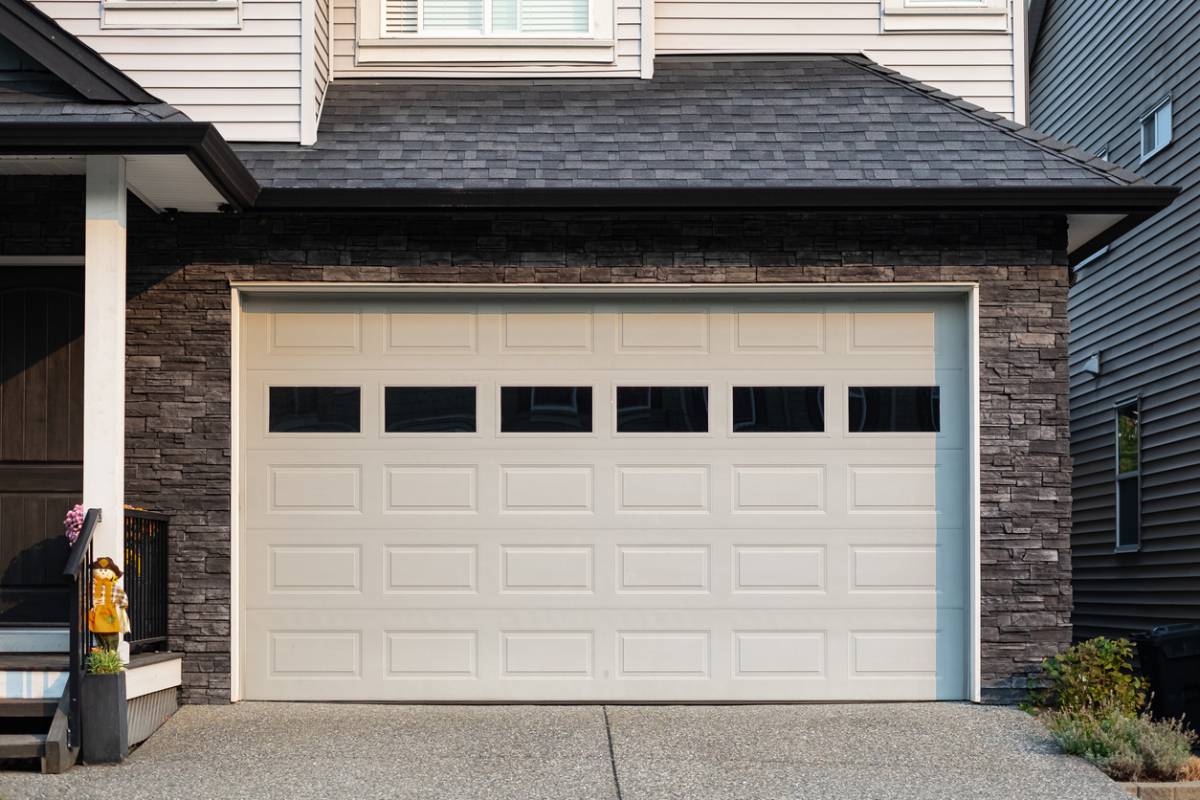
With sky-high housing prices and a serious demand for creative living solutions, it’s no wonder more and more Californians are looking at their garages and thinking, “Could I actually live there?” It’s a question popping up all over the state, from homeowners eager to maximize their space to savvy individuals exploring budget-friendly alternatives to traditional rentals. But before you start sketching out your dream garage studio, there’s one big thing to consider: Is it legal to live in a garage in California?
The short answer? It can be, but only if your garage conversion is done properly and legally to create a livable space. Not every garage is move-in ready, and cutting corners can lead to major headaches down the road. Let’s break down what’s allowed, what’s off-limits, and how a full-service remodeler like Ivory Home Builders Inc. can help bring your vision to life beautifully and legally.
Is It Legal to Live in a Garage in California?
Let’s get one thing straight: tossing a mattress in the garage doesn’t magically turn it into a legal living space (no matter how cozy your fairy lights make it look). But here’s the good news: California actually wants you to convert that space—as long as you do it the right way.
Enter the ADU, or Accessory Dwelling Unit—a fancy name for a fully livable space that used to be, say, a garage. These conversions are entirely legal as long as they meet all the requirements. Think ventilation, plumbing, electricity, insulation, heating, and safe exits. In other words, the works. In other words, it has to be a true home, not just a makeshift crash pad.
The even better news? Recent California laws are making it easier than ever to turn underused garages into beautiful, code-compliant living spaces. With housing in such high demand, the state is actually encouraging homeowners to convert and rent them out.
So, if you’re dreaming of creating a stylish guest suite, a rental for extra income, or even a tiny home retreat of your own, you’re not just allowed to. You’re on trend and on the right side of the law—as long as you play by the (building code) rules.
What Does It Take to Legally Convert a Garage?
To live legally in a garage in California, you need a permitted garage conversion. This involves more than just remodeling; it requires specific approvals from your city or county. Here are the major steps involved:
- Permits: Before any construction begins, your project must be approved by your local building department. A full review ensures the conversion meets safety and zoning requirements.
- Upgrades: Your garage will likely need structural and functional improvements. These include adding insulation, waterproofing, installing windows or doors for egress, as well as upgrading HVAC, plumbing, and electrical systems.
- Code Compliance: The California Residential Code outlines minimum standards for ceiling height, lighting, emergency exits, ventilation, and other related requirements. All of these must be met to call the space livable.
- Inspections: Throughout the project, inspectors will need to check various elements of the conversion to ensure it’s being done correctly and safely.
It’s not a quick DIY—this is where a trusted contractor offering full-service home remodeling becomes essential. Companies like Ivory Home Builders Inc. handle every step of the garage conversion process, from planning and design to permits and final inspections.
What Happens If You Live in a Garage Without a Permit?
Choosing to live in a garage that hasn’t been legally converted is risky. First, it’s a violation of housing codes, which can lead to fines, legal action, and eviction notices. Second, it’s often unsafe—unconverted garages lack proper insulation, emergency exits, and basic utilities like plumbing and heating.
If the city discovers an unpermitted living situation, the homeowner may be required to bring the space into compliance with code or face penalties. Additionally, insurance policies may not cover damages or injuries that occur in illegal structures. This puts both the owners and tenants at risk.
How Long Does a Garage Conversion Take?
Timelines can vary depending on the project’s complexity and the speed at which permits are approved. On average, a well-planned garage conversion takes 8 to 12 weeks from design to completion. Working with an experienced contractor helps ensure your project moves smoothly through every phase. They’ll guide you from architectural drawings to city approvals and final finishes.
Ready to Make Your Garage a Legal Living Space?
Ivory Home Builders Inc. specializes in garage conversions and full-service home remodeling across California. If you’re ready to transform your underused garage into a safe, stylish, and legal living space, schedule your consultation today. We would love to help you turn vision into value.